Why Are More People Experiencing Chronic Fatigue in 2026?


Due to cumulative stress, digital overstimulation, sleep scarring, poor metabolic well-being and post-viral debilitation of the energy system, society has become overwhelmed with chronic fatigue in 2026․ After years of lifestyle pressures, many have now become prone to constant low-grade physical and mental tiredness, resulting in a collective struggle to balance energy systems and everyday living․
Chronic fatigue does not appear to be caused by a single source of stress but rather, the combination of several sources of stress over time, so that the body is unable to repair itself․ These mechanisms may underlie age-specific rates of fatigue․
Increased Stress and Mental Load
Chronic fatigue is one of a number of chronic stress-related illnesses․ In an economy-focused, hyperconnected world like that of 2026, with people generally in a fight or flight mode, chronic exposure to these types of stress hormones may affect the body's ability to return to its normal state․
Furthermore, hybrid or remote working has compounded the blurring of work-life boundaries, making it harder for workers to mentally detach from work to rest and recover in non-office settings or at home․
Persistent stress responses can disrupt sleep, as well as change the functioning of the immune system and bioenergetics of the cell, leading to fatigue and unrefreshing sleep․
Digital Overload and Sleep Disruption
As much of the modern world continues spending more time on screens for work, communication and entertainment purposes, exposure to blue light after sunset has been shown to suppress the secretion of melatonin in the evening and reduce deep sleep․
Sleep duration is less important than sleep quality, but sleep disturbances (repeated arousals and high-frequency sleep cycle activity lasting for hours) can disrupt tissue growth and repair and control over the secretion of hormones․
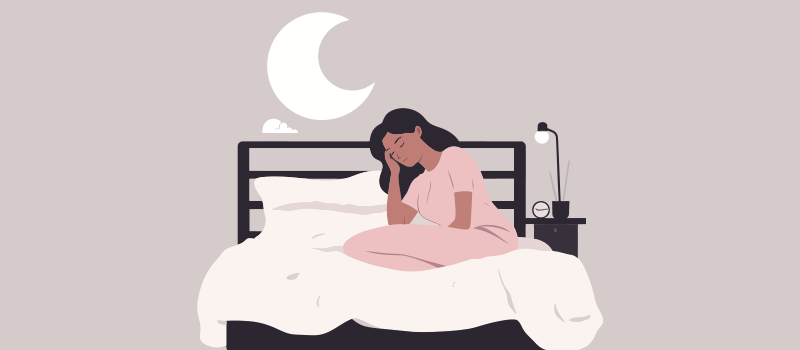
However, by 2026, due to disrupted circadian rhythms and overstimulation, people are still tired despite getting enough sleep, a phenomenon known as modern fatigue․
Post Viral and Metabolic Factors
A particular example is post viral fatigue, in which residual inflammation, immune dysregulation, or imbalance of the autonomic nervous system reduces energy levels even after a viral infection has cleared․
Factors such as a sedentary lifestyle, a diet high in processed foods, or more variability in blood sugar levels can negatively impact mitochondrial function․
Together with stress, sleep deprivation, and an unhealthy lifestyle, these factors may produce chronic fatigue that impairs work, mood, and quality of life․
Final Thoughts
Chronic fatigue 2026 is not tiredness from lack of sleep, but a cumulative physical and emotional toll from information overload, poor quality sleep, and metabolic fatigue․ A holistic approach is needed, including cognitive load management, sleep hygiene, a balanced lifestyle fit for the load, and management of comorbidities․ With early intervention, a sustainable energy is possible alongside lasting well-being․