Wireless Charging Explained: How It Works and Why You Need It

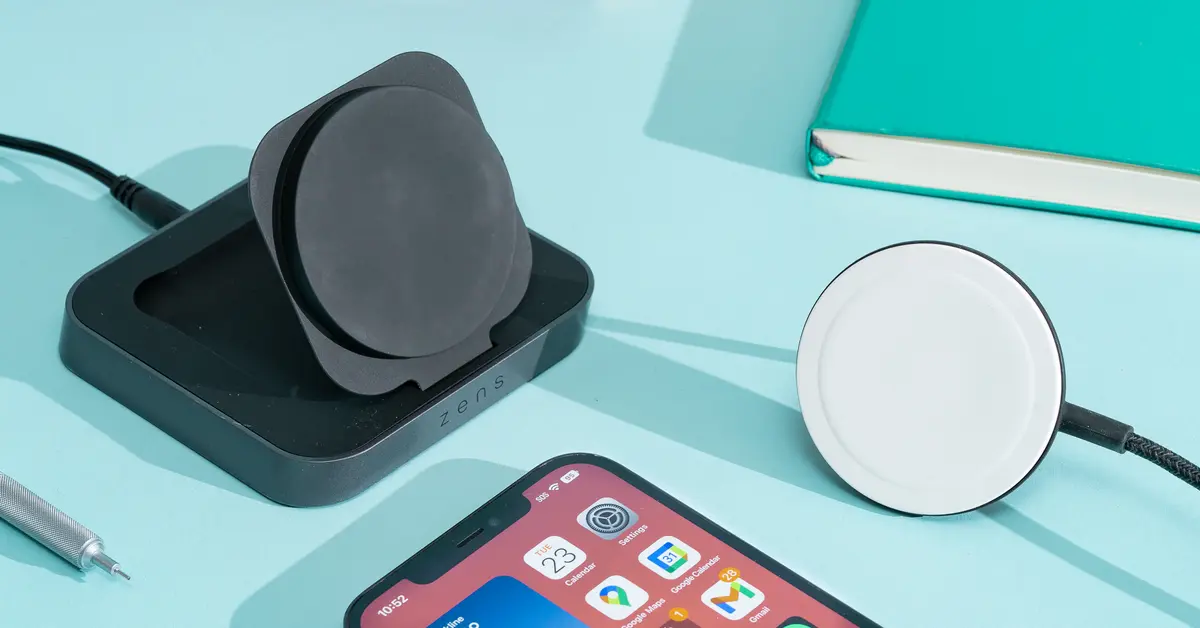
Wireless charging has become one of the most convenient features in modern devices. From smartphones to earbuds and even laptops, it eliminates tangled cables and makes powering up as simple as placing your device on a pad. In 2025, the technology has grown faster, safer, and more efficient than ever before.
To understand why it matters, let’s look at how wireless charging works and why it’s becoming a standard feature across smart devices.
How Wireless Charging Works

Wireless charging uses a process called electromagnetic induction. A charging pad contains coils that create a magnetic field when powered, while the receiving device has matching coils that convert that field into electrical energy. This allows energy transfer without physical cables.
Most wireless chargers today use the Qi standard, which ensures compatibility across brands. Whether it’s an iPhone, Samsung Galaxy, or wireless earbuds, the same pad can often charge them all. This universal standard has made wireless charging simpler and more accessible.
Efficiency has also improved. Modern chargers deliver higher wattage, providing faster charging speeds that now rival traditional cables. Some systems even support reverse charging, letting a phone share power with smaller devices like earbuds or watches.
Why You Need It
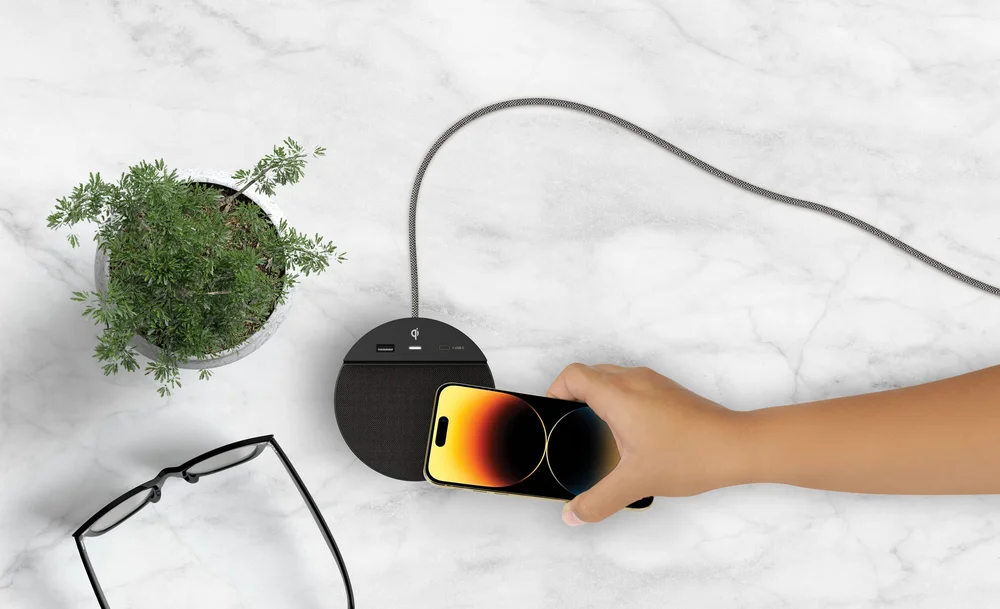
The biggest advantage of wireless charging is convenience. There’s no need to plug and unplug cables, which saves wear on device ports and reduces clutter. It’s particularly useful on desks or bedside tables where multiple devices need charging daily.
Safety is another reason to adopt it. Most wireless chargers have built-in temperature control, foreign object detection, and automatic shutoff once charging is complete. These features prevent overheating and improve long-term battery health.
Wireless charging also enables more seamless integration with furniture and vehicles. Many cars, cafes, and workspaces now include built-in charging pads, making it easy to top up battery life throughout the day.
As technology evolves, wireless charging is expanding beyond contact pads. Over-the-air solutions are being developed to transmit power across short distances, hinting at a future where cables may become completely obsolete.
Final Thoughts

Wireless charging has moved from novelty to necessity. It offers convenience, safety, and versatility for a growing range of devices. As speeds improve and new applications emerge, it’s clear that the future of charging is wireless — simple, efficient, and built into everyday life.