Laptop Cooling Pads: Do They Really Make a Difference?

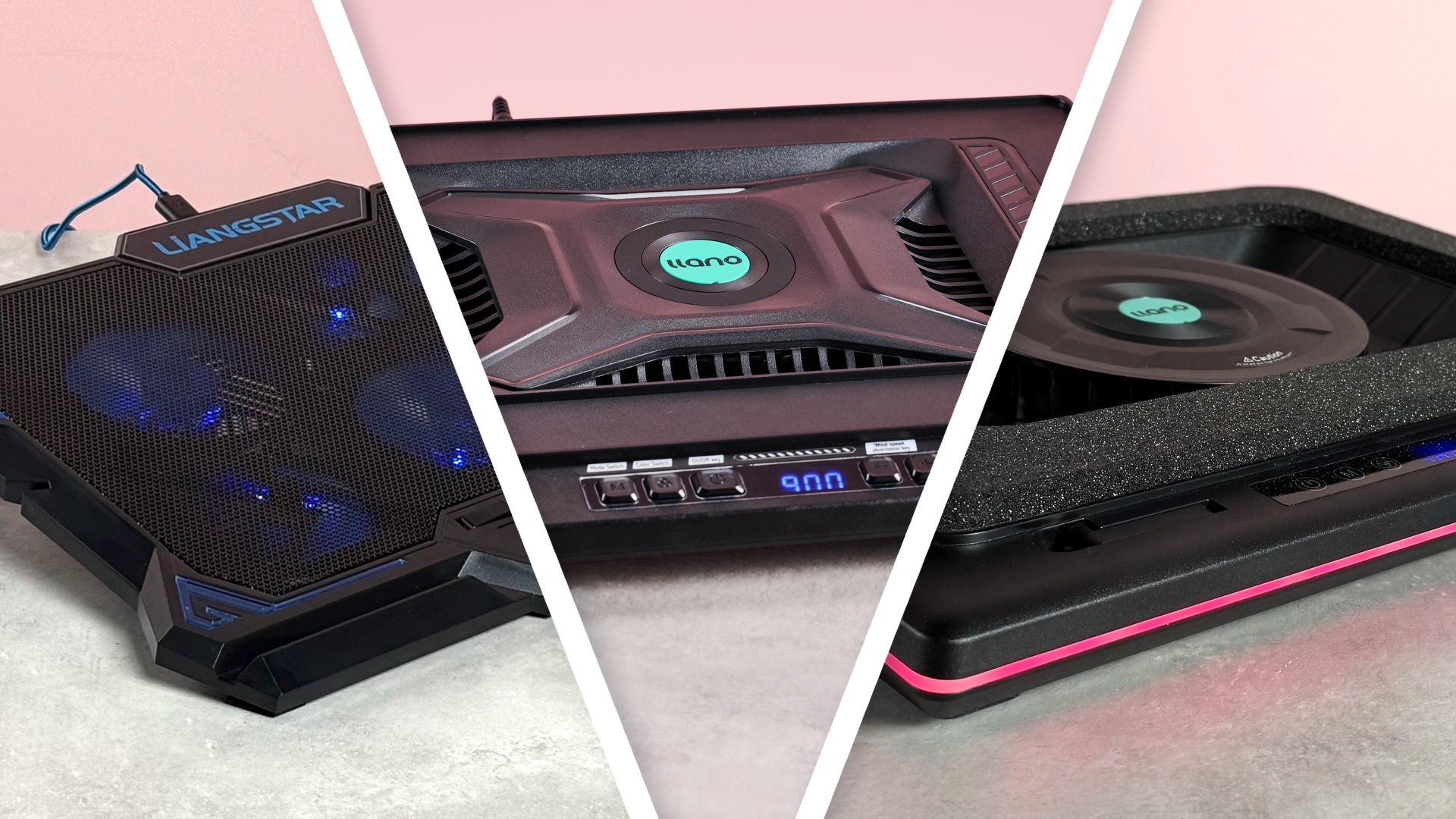
Laptops often can run hot when the demanding tasks of video editing, gaming, or data processing occur. Excessive heat triggers thermal throttling which reduces performance since the system slows down to prevent overheating. Cooling pads are marketed as a simple way toward lower temperatures. However, their effectiveness relies on the use case and the device.
Understanding their functionality lets you determine if adding cooling pads is helpful to your setup. Though easy to use coupled with inexpensive, laptops do not all benefit equally from them. For smarter purchase decisions, there need to be limitations and advantages that are known. That knowledge will be of guidance for those purchase decisions.
How Cooling Pads Work
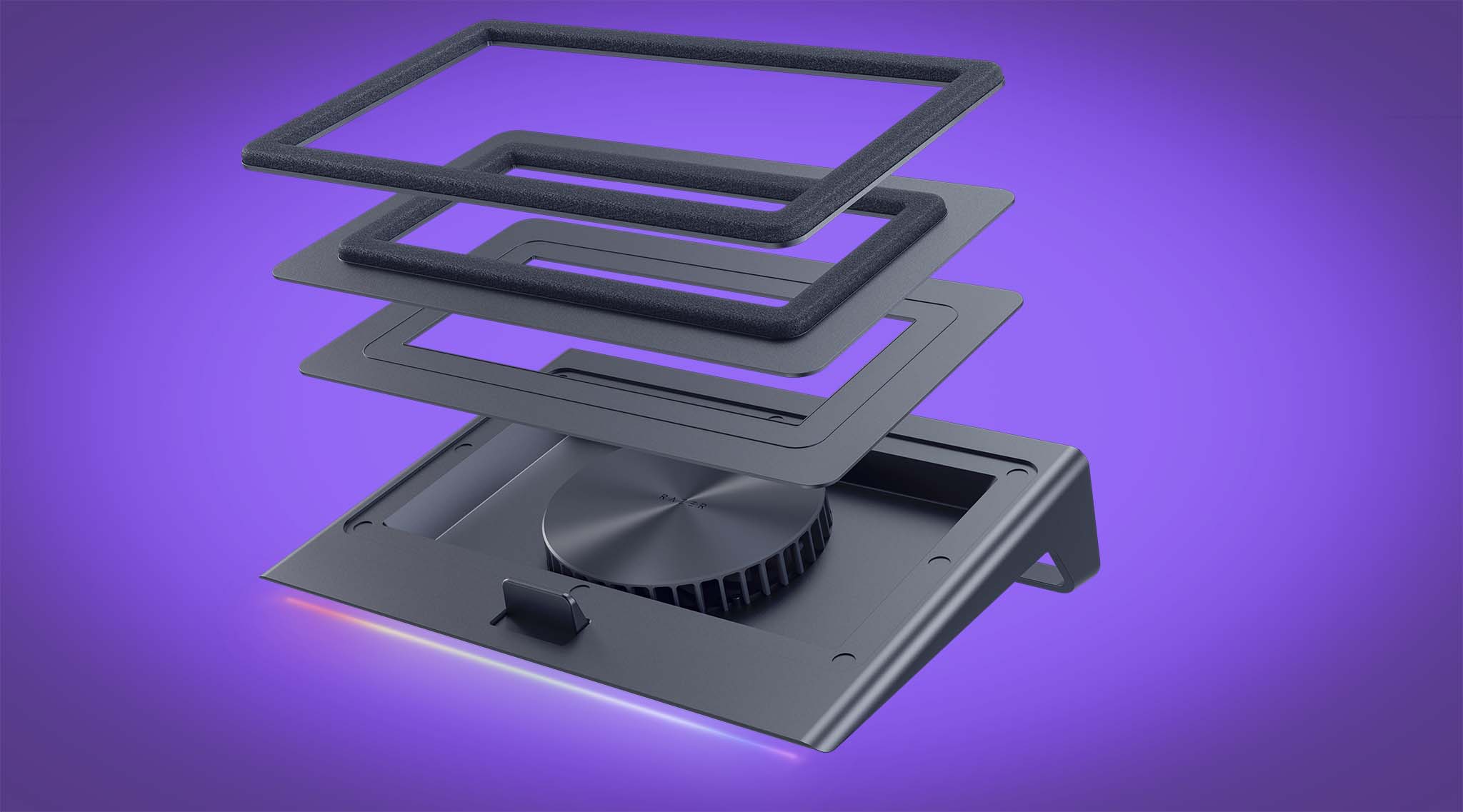
Cooling pads use the laptop's underside for destination purposes as to increase airflow. Adjustable fan speeds are often a feature also they are powered through USB. The goal is to move heat away from the laptop’s internal components.
For laptops with bottom intake vents, this approach is what benefits them most. This approach might be otherwise less effective here. Devices that have sealed designs or side and rear intake systems may see less improvement. The pad should be in its proper location. Airflow also must move toward correctness if people desire results.
Performance Gains in Real Use

In many tests, cooling pads do reduce both surface and also internal temperatures since they cool. This small drop can delay thermal throttling, also it allows the CPU or GPU to maintain higher speeds for longer.
A 3 to 5 degree reduction may not sound as meaningful at the initial time. However, it can make a difference within extended workloads like rendering or long gaming sessions. Laptops close to their thermal limits are especially subject to this.
However, cooling pads do not in fact transform any laptop into some high-performance machine in the event it is poorly cooled. They strengthen solid internal cooling design. It does not get replaced.
Comfort and Ergonomics

Beyond temperature control, cooling pads improve typing comfort by raising the laptop to a better angle. This slight elevation can also help in screen positioning, which reduces neck strain when people use it for long hours.
Adjustable height settings within some models allow for matching your preferred working posture. Sliding during use is prevented by a stable non-slip surface.
For the users working long hours upon laptops, these kinds of ergonomic benefits can be a deciding factor. It still applies even if cooling help lacks.
Limitations and When to Skip Them
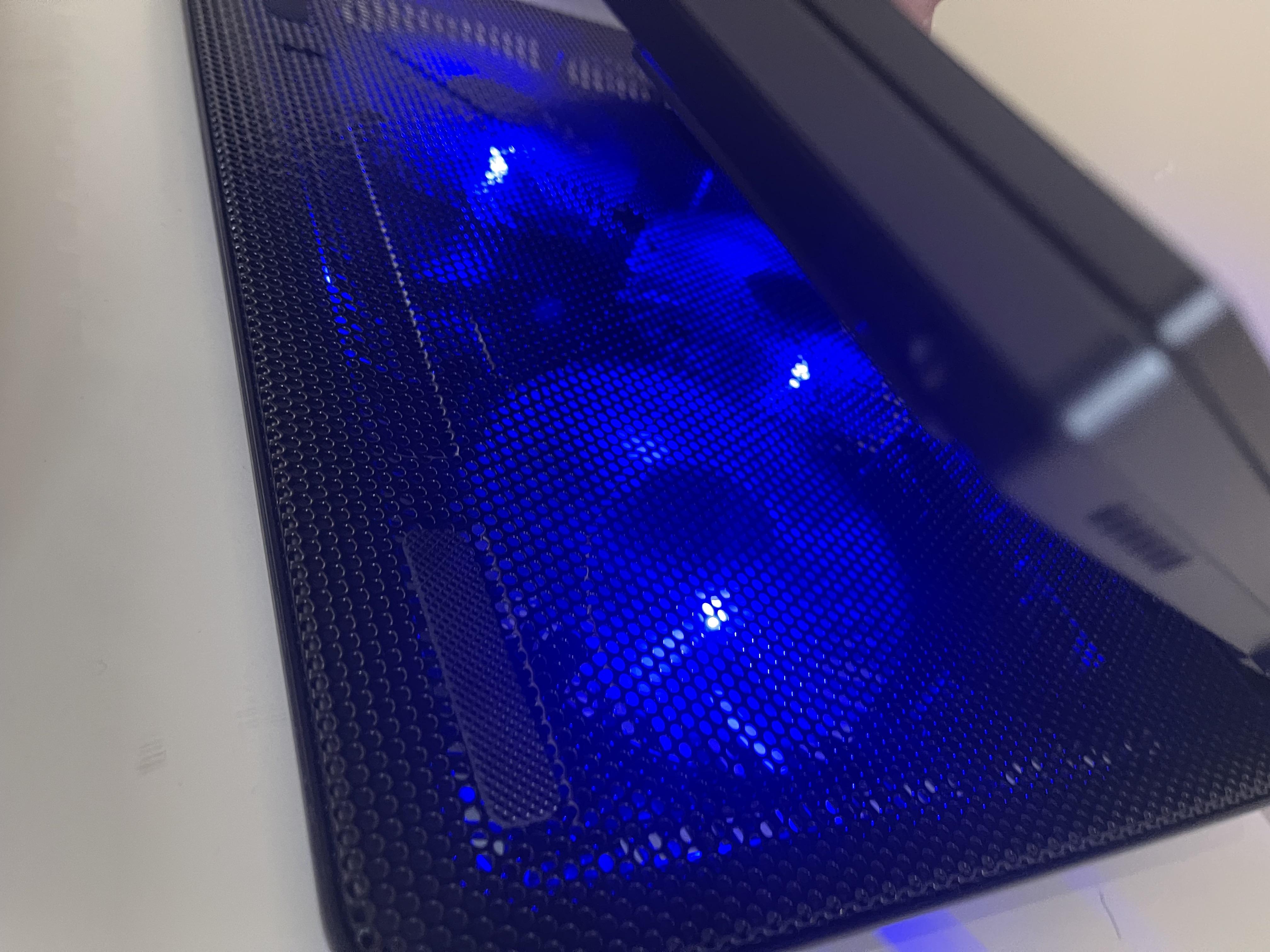
Cooling pads are often less effective on laptops that have cooling systems optimized for either rear or side airflow as well as sealed chassis designs. They also add bulk. Users with high mobility will find them not ideal.
The difference might negligibly affect the ultrabooks or the devices if their cooling systems are efficient enough. In such cases, it may be more effective to invest into external monitors, better desk ventilation, or cleaning internal fans.
Noise is another consideration. Some models may produce a noticeable fan noise at higher speeds that can be distracting in quiet environments even though many cooling pads operate quietly.
Final Thoughts
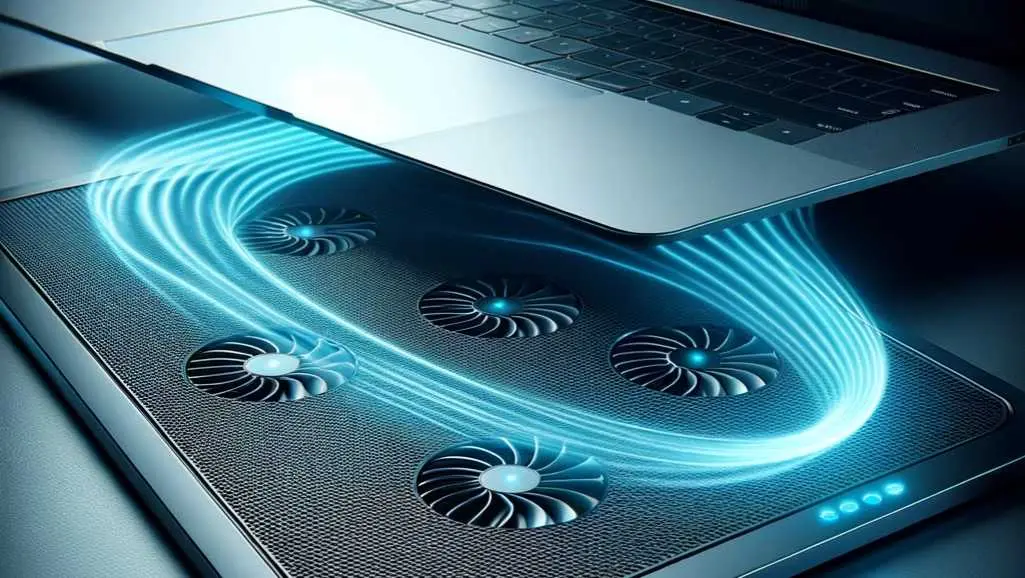
Cooling pads can assist with laptop performance when users use them to a large extent, but they are not always a solution. They work best for devices of high heat output with bottom intake vents. These devices exist under load. For the right setup, they offer a mix of thermal along with ergonomic benefits but to view them as some enhancement is better than viewing them as a fix for poor laptop cooling design.