Bone Conduction Headphones: Gimmick or Game-Changer?


Bone conduction headphones use vibrations for the purpose of sending sound directly to the inner ear by way of the cheekbones. You hear sounds around you as the ear canal stays open to permit audio. Marketers target athletes as well as outdoor enthusiasts with these products. Also, people can use them with certain hearing conditions.
Bone conduction headphones thanks to recent improvements to the not new technology are lighter, more comfortable, and more widely available. Deciding on whether they do fit all of your needs or even if the customary headphones happen to be a better choice is helped along by your knowing their strengths and weaknesses.
How Bone Conduction Works
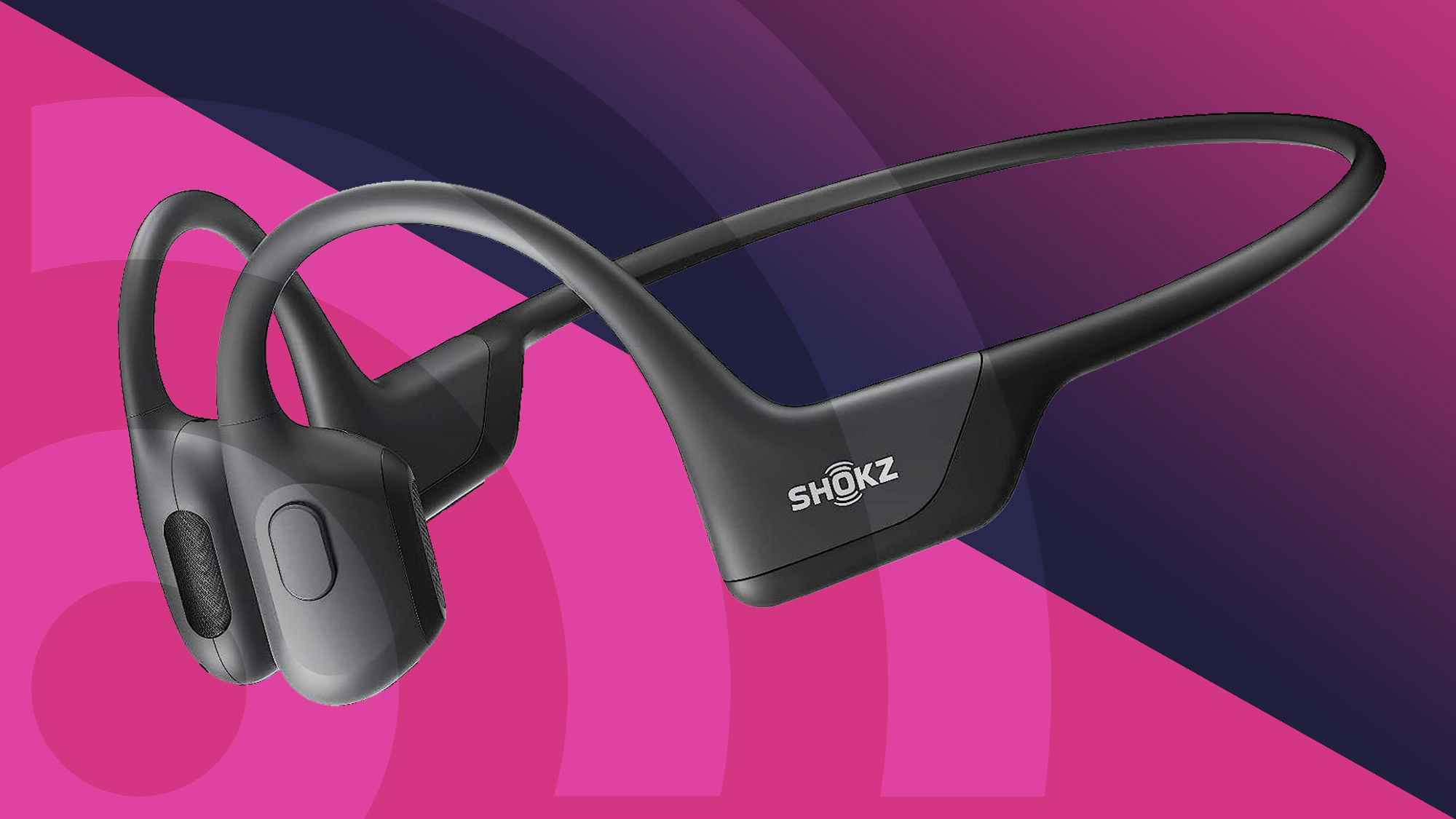
Bone conduction goes around the eardrum totally. Through the bones of the skull, vibrations allow sound to travel toward the cochlea. It is then processed in a way like normal hearing.
With this design, your ears stay open to environmental sounds. Hearing traffic along with other warnings improves safety for cyclists or runners.
The audio quality differs from those of customary headphones, even though the concept seems quite advanced. You must understand this difference prior to your purchase.
Advantages for Outdoor Use
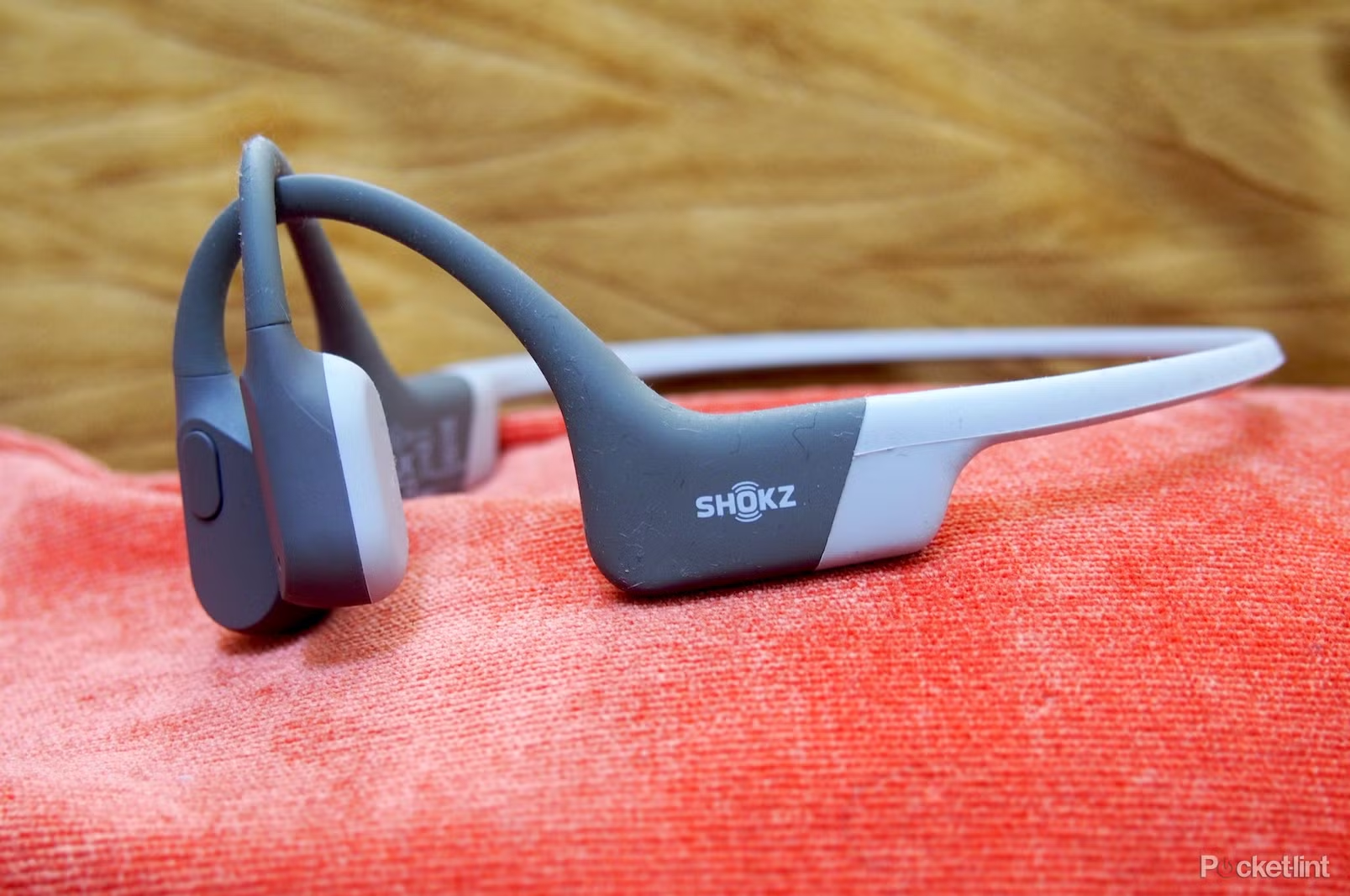
Keeping your ears open provides you with the primary benefit for those outdoor activities. Hear music, podcasts, or calls with clarity not blocking noise. These sounds can be critical, like those from approaching vehicles or those from pedestrians.
The designs are fit for exercise since they resist sweat. Some models do have water resistance ratings that are for light rain or for splashes. This increases their lifespan when they are used outside.
They are lightweight coupled with no ear tips causing discomfort during long sessions. This makes them appealing since some people find in-ear headphones irritating.
Limitations in Sound Quality
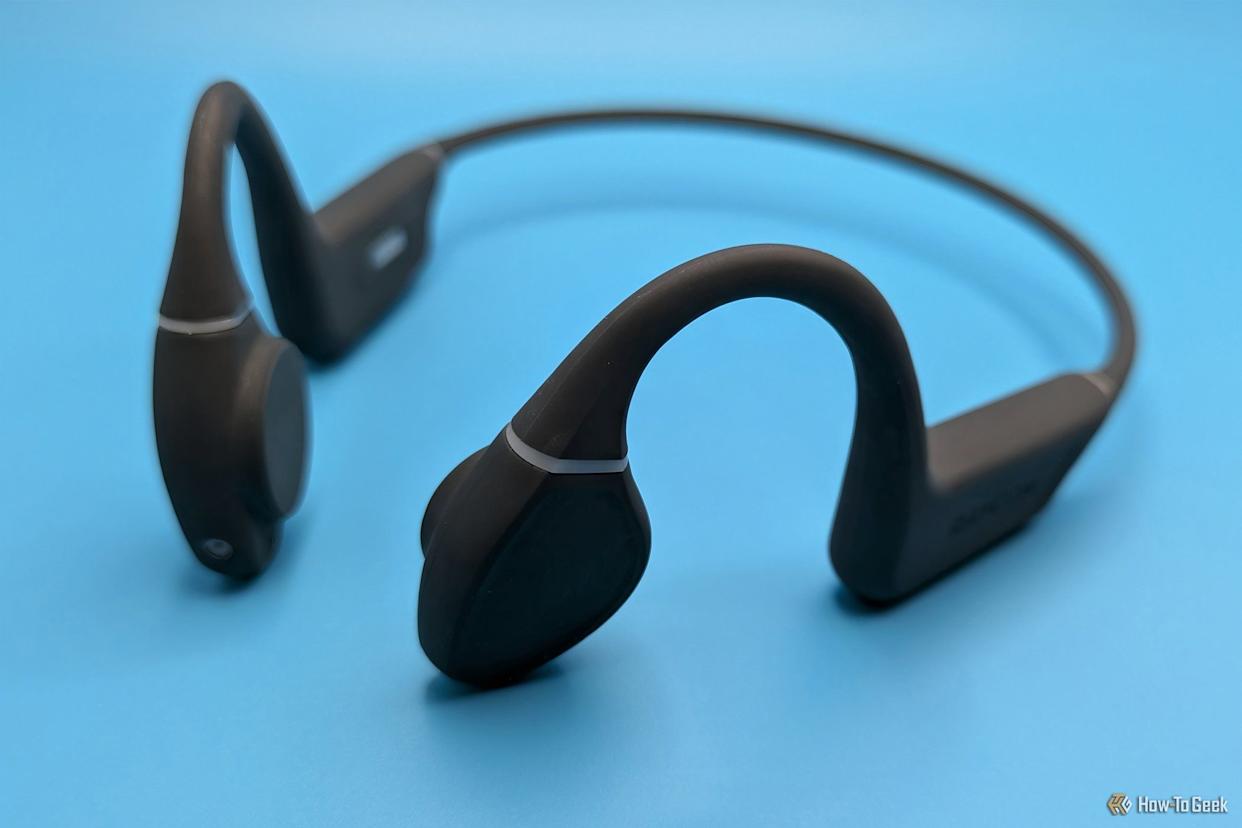
Bone conduction headphones have a bass response that is more weak than what is in other models. Genres using deep low-end tones may find the sound thin.
Noisy environments do also have rather lower volume levels. They do not block sounds from outside. Loud surroundings can therefore overpower your audio.
Typical earphones will probably not be displaced for audiophiles or those valuing deep sonic fidelity.
Uses Beyond Music
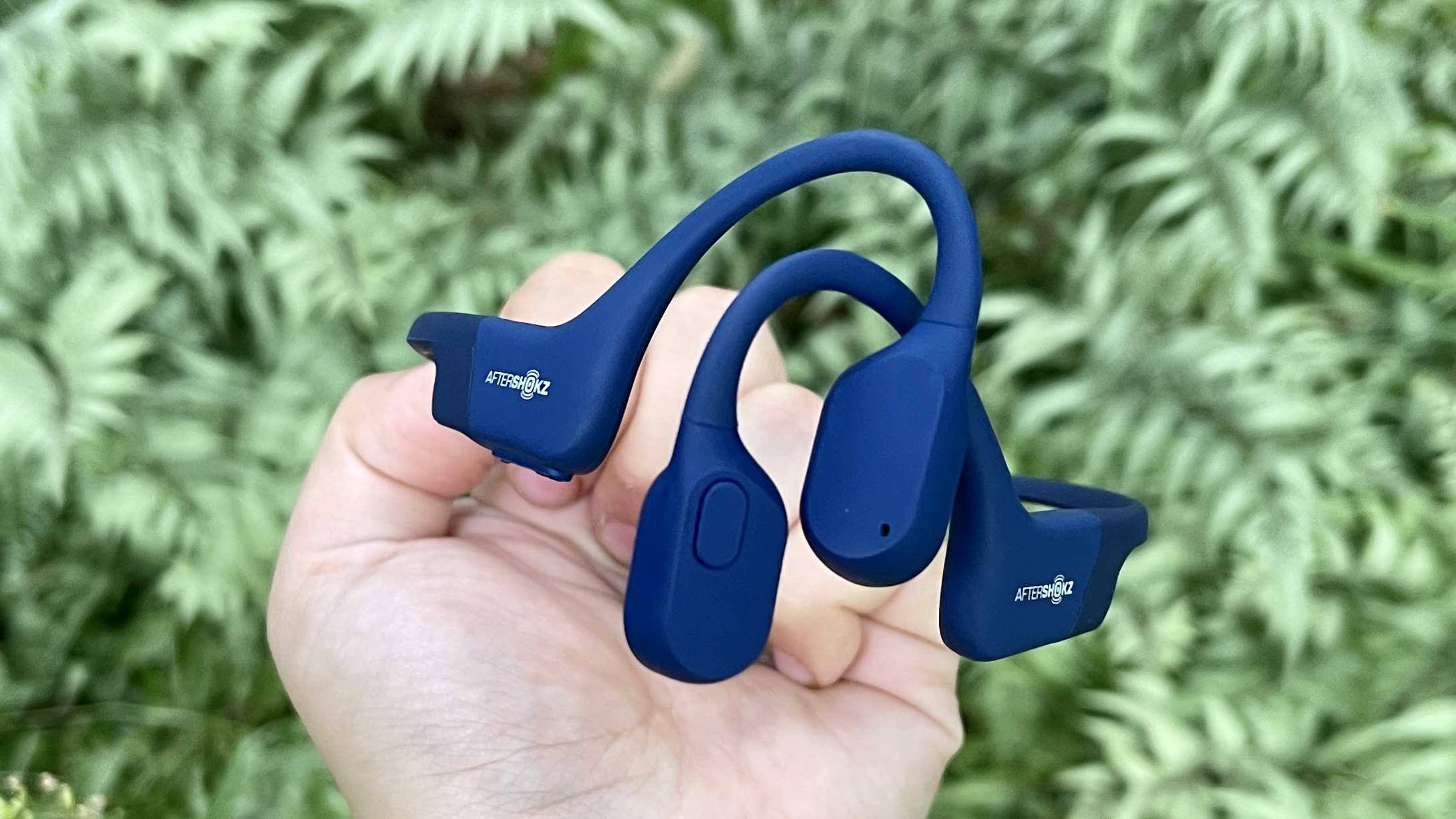
Bone conduction technology helps people when their hearing loss affects their eardrum. These headphones bypass the damaged area via directly sending vibrations to the inner ear.
Situational awareness is necessary within professional settings, so they use them. These settings include security in addition to law enforcement in or fieldwork for example.
Microphones that are built-in in hands-free designs allow for clear calls while they are keeping your ears open to alerts or to nearby conversations.
Who Should Skip Them
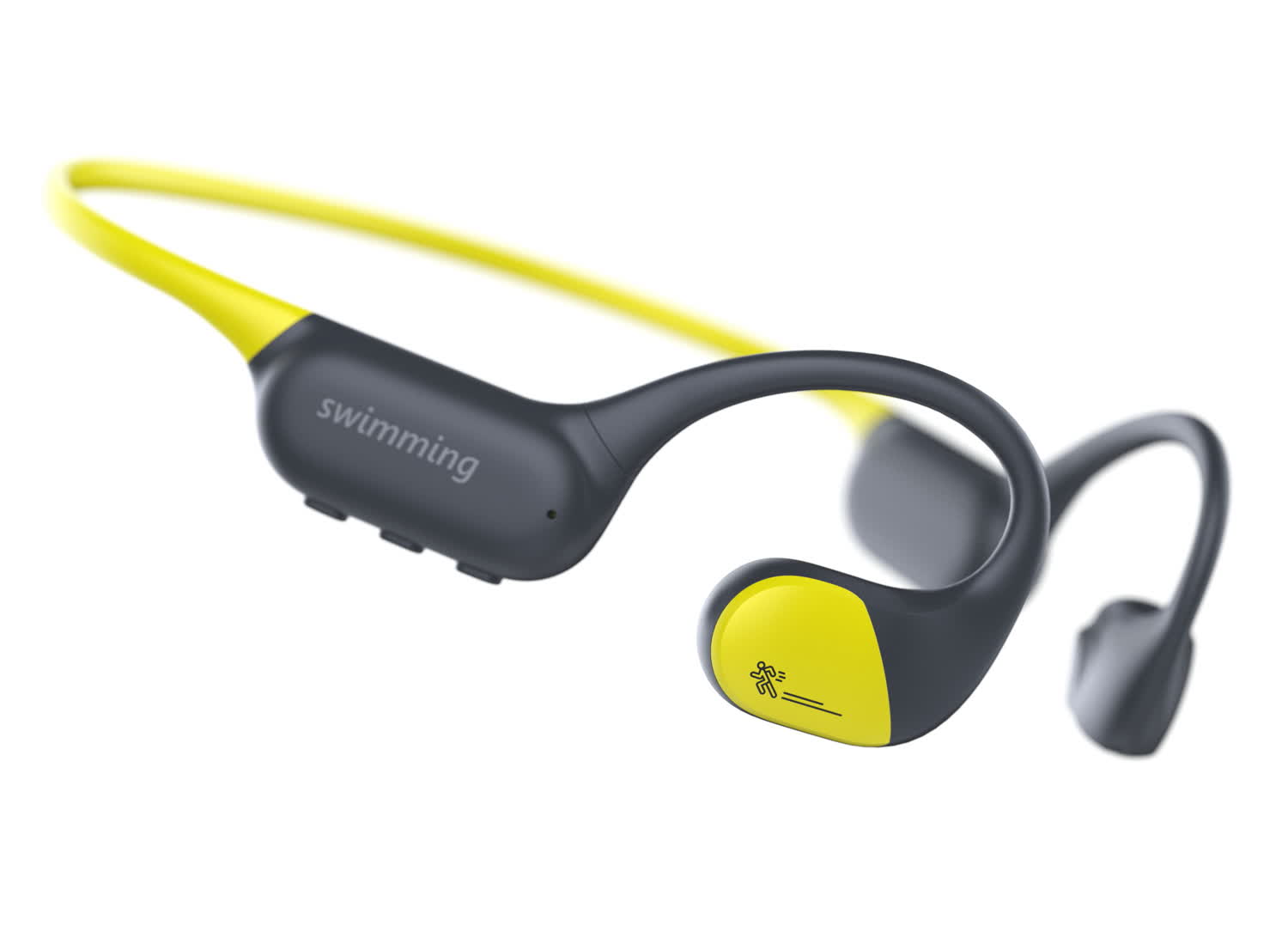
If you want a deep and engaging sound, then the choice for you is not bone conduction headphones. They do not act to block the noise. Listening thus will be harder in busy environments.
Wireless headphones in general often have longer battery life. Frequent travelers or long sessions may find this limiting.
Other headphone types will often provide better value along with sound quality to users who do not need situational awareness.
Final Thoughts
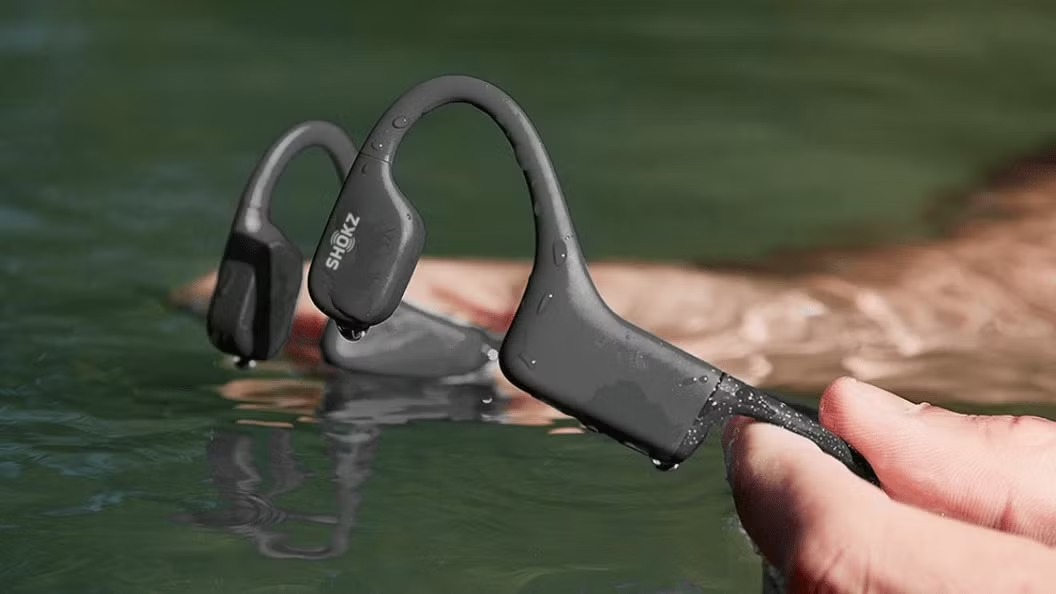
Bone conduction headphones fulfill one function. They are safe when outdoors and comfortable too, plus they make things more accessible for some hearing conditions. They are not quite a universal replacement for customary headphones. They are a practical as well as functional option instead for the right user.