Multi Generational Living: Benefits, Challenges, and How to Make It Work


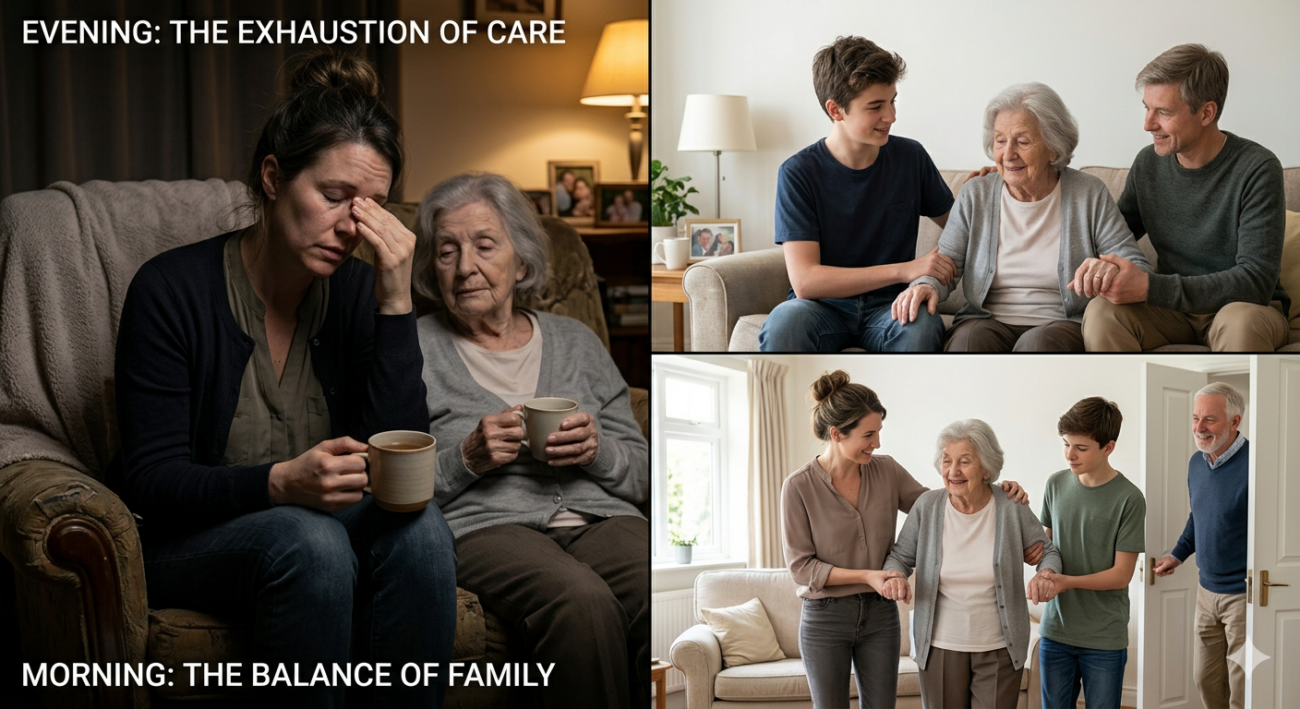
Living with family members from multiple generations can provide financial benefits, emotional support, and assistance with childcare and care for the elderly․ However, successful multigenerational living requires good communications skills, respect between family members, and clear behavioral boundaries․ By 2026, with rising costs, life expectancies, and changing cultural norms, the arrangement becomes increasingly common in most parts of the world․
Although families often live together for a variety of reasons, multi generational living spaces can have unique advantages when carefully planned to accommodate both the interests and needs of younger and older members․
Financial Stability and Shared Responsibilities
The biggest financial advantage to multigenerational living is the ability to share expenses, such as housing, utility costs, food expenditures, or childcare costs, among members of the household․ This arrangement can be helpful in cities that otherwise have high property prices and rents․
Caregiving assistance is another major advantage․ Grandparents can help care for the children, and adult children can help elderly parents with everyday activities and medical appointments․ This improves independence and strengthens intergenerational links․
Living with family members also brings built in emotional support, i․e․ the companionship and sense of safety that can exist when families live under the same roof․
Emotional and Social Benefits Across Generations
Children who live in multi generational households can benefit from the care of other family members, as well as the wisdom, family traditions, cultural values and skills that grandparents impart․ This enables the child to develop a sense of identity․
The mental well-being of older adults may be positively impacted by contact with younger ones․ Everyday contact can reduce the impacts of social disengagement, providing cognitive stimulation․
Shared living promotes cooperation and family members discover that facing household problems together deepens understanding and appreciation of others' roles and responsibilities․
Common Challenges and How to Address Them

Multi generational living does have its disadvantages, which can include disagreements concerning childcare arrangements, views on lifestyle management, and privacy․ However, keeping lines of communication open can help overcome potential problems at the onset․
Household mutual expectations, such as budgeting, chores, personal and private space, help prevent misunderstandings․ Each generation has private space even in a shared home, and can be independent․
If families are already in the habit of having regular family meetings, it may be easier to nip issues in the bud, and resolve them․
Final Thoughts
Multi generational living in 2026 offers financial, emotional and support advantages while requiring good planning and understanding․ With clear boundaries, respect, family support, and communication, it is possible to create a harmonious atmosphere for all ages, from children to grandparents․ But when done with forethought, cohabitation can ultimately be more helpful than it is stressful․